Why Gen Z is the Greenest Generation yet
Gen Z is driving sustainability through conscious choices, green careers, and digital activism, turning climate concern into everyday action.


.svg)
Table of Contents


Gen Z is the group born after the millennials, roughly from the late 1990s to the early 2010s. They’re the first true digital natives, growing up with smartphones, social media, and the internet always within reach. Known for their slang-filled chats (“it’s giving…” or “no cap”), they bring their own flavour to culture. This generation loves to travel, often preferring experiences over possessions, and they’re quick to call out anything that feels fake.
Beyond the fun, they care deeply about issues that matter, from equality to climate change. More than any before them, Gen Z is shaping how the world thinks about sustainability.
From Protest to Practice
When it comes to raising their voices, Gen Z doesn’t hold back. From Greta Thunberg’s Fridays for Future movement to climate marches that drew millions worldwide, Gen Z have made protest a defining feature of their generation. But unlike past waves of activism, they’re not at the banners. For many, the energy of the streets has flowed into daily decisions, from what they eat and wear to how they vote and work.
A 2025 Deloitte survey found that nearly two-thirds of Gen Z, along with a similar share of millennials, reported feeling anxious about the environment. One of the clearest ways Gen Z turns concern into action is through what they buy. According to Deloitte, nearly two-thirds are willing to pay more for sustainable products, and it shows in their shopping habits.
Gen Z as Consumers
Gen Z is proving that shopping can be a form of activism. Unlike older generations, they don’t just look at the price tag when making decisions. They weigh a product against their values, often questioning how it was made and what it stands for.
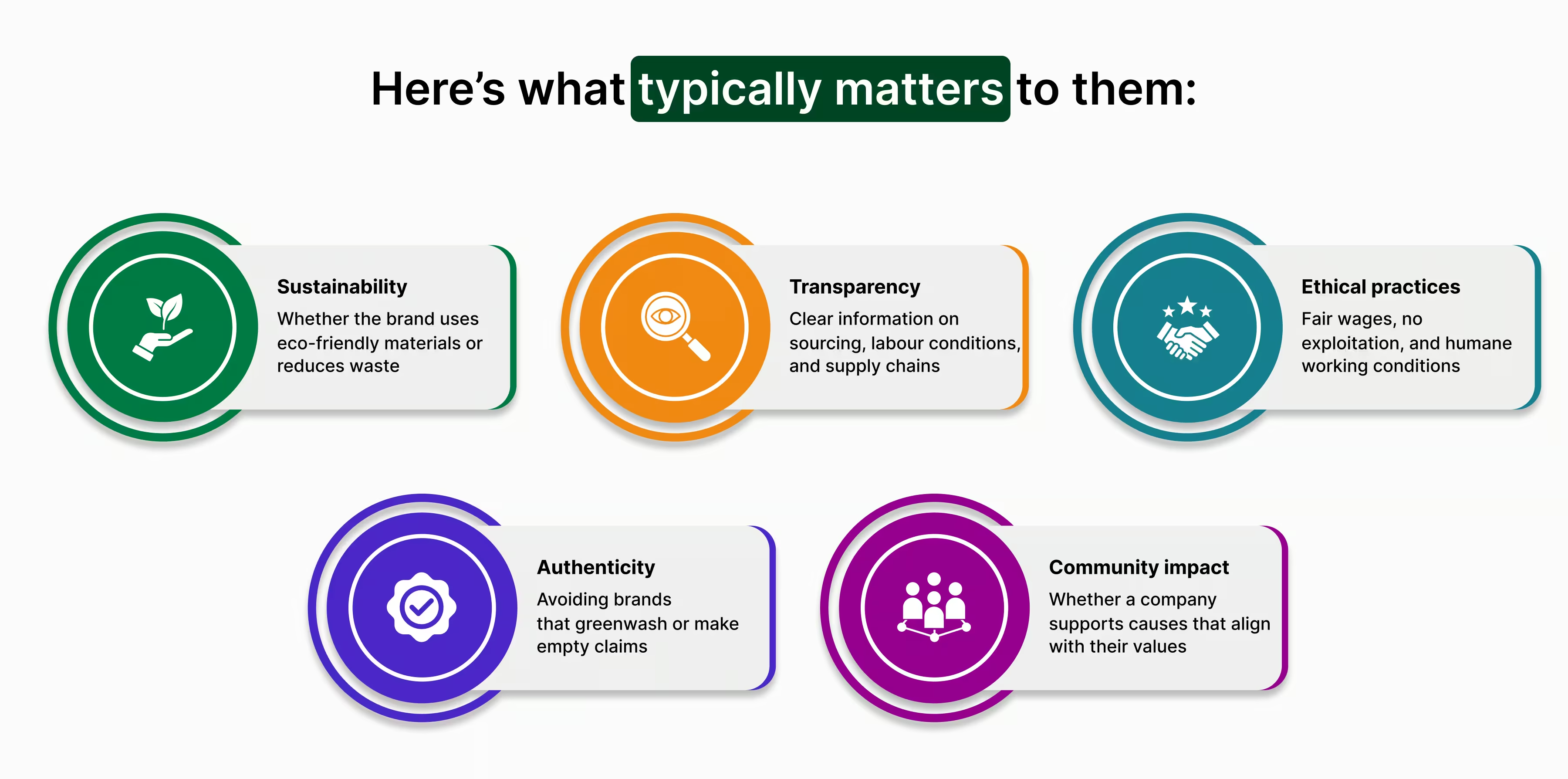
This mindset has completely changed what products win Gen Z’s attention. Thrift fashion and resale apps? They love them, because second-hand feels smarter than wasteful fast fashion. Plant-based burgers and oat milk? Definitely on their radar, since food choices are an easy way to go greener. Even tech that saves energy or brands promising carbon-neutral delivery get extra points. Basically, if a product lines up with their values, Gen Z is quick to back it. Gen Z is also just as quick to call out the ones that don’t.
Green Careers: Where Passion Meets Purpose
Green jobs are more than just a trend, they're a vital part of the global shift towards sustainability. These roles encompass a wide range of professions dedicated to environmental conservation, renewable energy, sustainable agriculture, and climate policy. They're about making a tangible impact on the planet while building a meaningful career.
Gen Z and Green Careers
Green jobs (add green jobs bog link) isn’t just a buzzword, they’re a fast-growing sector reshaping how we work and live. From renewable energy engineers to ESG specialists and circular economy experts, these roles are all about reducing emissions, protecting the planet, and building a sustainable future.
And Gen Z is at the forefront. A recent report by WeNaturalists indicates that 63% of green job applicants in India are from Generation Z, particularly in Tier 2 and Tier 3 cities like Indore and Kochi, which are emerging as active contributors to the green job ecosystem. Globally, interest in these careers is also rising, with surveys showing that young people increasingly seek jobs that allow them to make a tangible environmental impact.
The sector itself is diverse. Renewable energy specialists are needed to install and maintain solar panels or optimise wind farms, while sustainability and ESG experts guide companies on reducing their carbon footprint and meeting regulatory standards. Circular economy and waste management professionals help businesses rethink product life cycles, and carbon analysts track emissions across Scope 1, 2, and 3. Even electric vehicle and clean mobility specialists are in high demand, as the world pivots to low-carbon transportation.
What makes green careers so appealing to Gen Z isn’t just the work itself, it’s the purpose. These jobs allow them to align their daily tasks with their values, contributing to a cleaner planet while building meaningful careers. And with the green job market growing rapidly, this isn’t just a temporary trend, it’s a long-term opportunity.
Digital Activism: more than just Screens and Streams
Mass media today isn’t just TV or newspapers – it’s TikTok, YouTube, and Instagram. These platforms connect millions across the globe in an instant, creating communities that never existed before. Once, mass media was mainly about entertainment: scrolling for laughs, music videos, or the latest trends. But Gen Z has flipped the script. The same feeds that deliver viral dances now amplify climate strikes, sustainability campaigns, and calls against greenwashing. What was once just a source of amusement has become a tool for awareness, engagement, and collective action, proving that screens can be as powerful as megaphones when used with purpose.
Case Study: #StopWillow Campaign
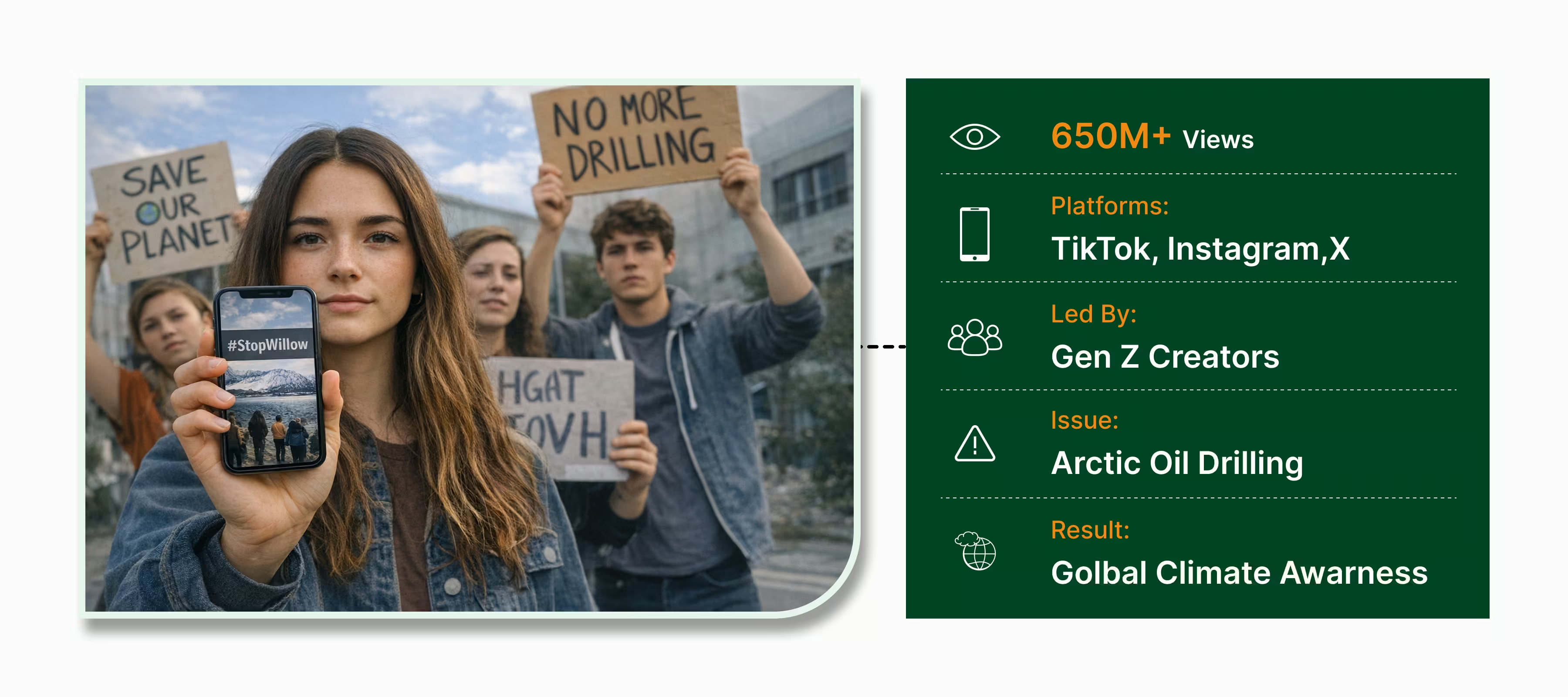
In response to the controversial Willow Project, a proposed drilling venture in Alaska’s North Slope, young organisations on social media quickly mobilized to raise awareness and push back against the plan. In just a few weeks, the #StopWillow hashtag spread rapidly across TikTok, Instagram, and Twitter, gathering millions of views and shares. Creators like Elise Joshi (20) from Gen Z for Change and TikToker Alex Haraus (25) helped the campaign gain massive traction, with an estimated 650 million views across platforms. This unprecedented reach not only amplified the voices of concerned Alaskans but also showcased how Gen Z can rally global attention around environmental issues.
“Young people are paying attention to what the administration is doing and they sure as hell are paying attention to what he will say in regards to Willow. He's not going to be able to sweep this under the rug like he might have been able to do a month ago,” Joshi told Teen Vogue.
Conclusion:
“You are never too young to lead, and never too old to learn.” – Kofi Annan
Gen Z embodies this truth. While plenty of people criticise Gen Z for being glued to their screens or living in their own bubble, the reality is quite the opposite. This generation is using those very tools to spark movements, demand accountability, and push industries toward change. From conscious shopping habits to green careers and viral activism, they’re not just talking about sustainability, they’re living it. And while the world debates their quirks, Gen Z is busy changing the world.
The path to a better and greener tomorrow is laid by bravery and the audacity to act, both of which Gen Z has in abundance.
{{cta}}
{{accordion}}

Continue Reading
.avif)
Sixes, Stadiums & Sustainability: Measuring What Matters in the IPL
A sharp look at how the IPL can evolve into a sustainable, high-performance system by rethinking energy, water, mobility, and waste through better measurement and smarter operations.
.avif)
AI and Sustainability: What It Actually Does Across Carbon Accounting, ESG and LCA
AI is reshaping sustainability workflows across carbon accounting, ESG, and LCA, but not in the way it’s often portrayed. This blog breaks down what AI actually does, where it adds real value, and why human judgement remains critical for reliable, audit-ready outcomes.
.avif)


.avif)








.svg)
.svg)