Green Tech Companies Leading the Way in 2026
Green technology is entering a decisive phase in 2026, shifting from experimental solutions to real-world deployment across energy, mobility, agriculture, and industry. Driven by policy pressure, investor confidence, and rising climate awareness, green tech companies are delivering practical tools that cut emissions, improve efficiency, and support long-term growth. In India, this momentum is especially strong, with startups and established players building scalable solutions that respond directly to local climate and economic challenges while contributing to global sustainability goals.


.svg)
Table of Contents


Green technology is no longer a niche, it became one of the fastest-growing frontiers in 2025 and is set to accelerate even further in 2026. From renewable energy breakthroughs to AI-driven sustainability tools, innovation is reshaping how we power, build, and live.
Governments are pushing for stronger climate policies, investors are backing clean solutions at record levels, and startups are stepping in with bold ideas. The result is a field that’s not just booming in numbers, but buzzing with creativity and urgency.
In India, the push for green technology has picked up remarkable speed. Over the past few years, climate challenges, rising energy needs, and growing public awareness have created a strong demand for practical solutions. This has opened the door for a new generation of startups that are building clean and affordable technology, while also giving established companies the push to introduce more forward-looking innovations.
Introduction:
Green technology, often called “clean tech,” refers to innovations designed to reduce environmental harm and promote sustainable living. The idea took shape in the late 20th century, when rising concerns about pollution, resource depletion, and climate change pushed scientists and entrepreneurs to find alternatives to fossil fuels and waste-heavy systems. What began with early efforts in renewable energy and recycling has since grown into a global movement, spanning everything from electric mobility to carbon capture.
Today, green tech is no longer a fringe concept, it’s a thriving sector that’s attracting investment and inspiring startups.
The Landscape of Green Tech:
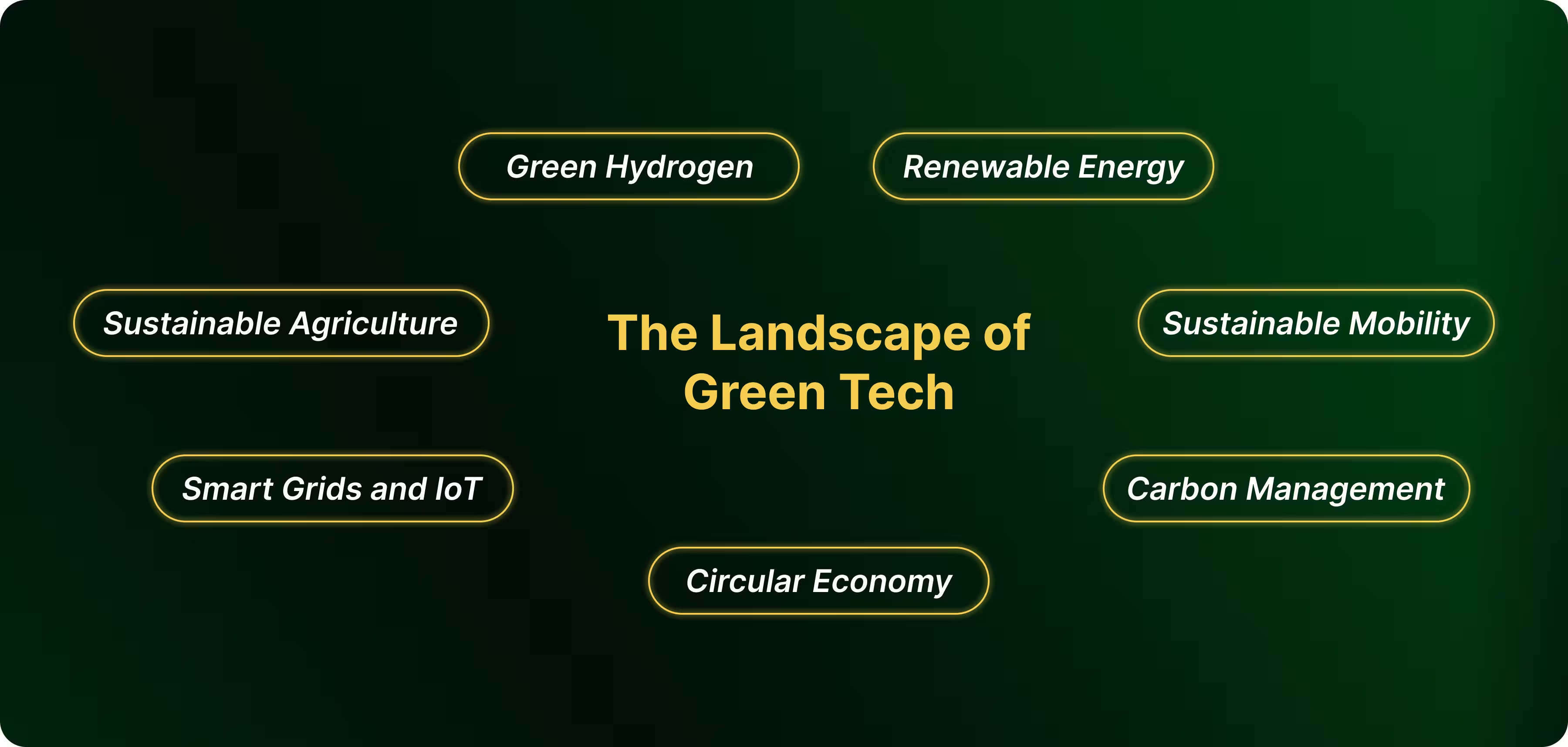
By 2025, green technology had matured into a diverse ecosystem of solutions, setting the stage for even stronger growth in 2026. The main areas shaping the sector include:
- Renewable Energy – Solar, wind, and storage technologies are expanding rapidly, making clean power more affordable and accessible. Example: Ecozen. The company uses solar power to support farmers with dependable, low-cost energy solutions.
- Sustainable Mobility – Electric vehicles, battery breakthroughs, and shared transport systems are redefining how cities move. Example: Exponent Energy. The company focuses on rapid EV charging solutions that reduce downtime and make electric mobility more practical for commercial fleets and urban transport.
- Carbon Management – From carbon capture to reliable credit markets, innovations are helping businesses cut emissions and work towards net zero. Example: KarbunWise. The platform gives companies clearer insight into their emissions so they can plan meaningful climate action.
- Circular Economy – Startups are tackling waste by recycling materials, designing for durability, and building closed-loop systems. Example: Recykal. Its digital platform makes it easier for waste to be collected, sorted, and directed back into recycling streams.
- Green Hydrogen – A rising player in clean energy, hydrogen is being developed as a fuel for industries that are hard to decarbonise. Example: Hygenco. The startup is developing green hydrogen projects that supply cleaner fuel to industries working to reduce their carbon output.
- Sustainable Agriculture – New methods in vertical farming, precision agriculture, and soil health are driving greener food systems. Example: Stellapps. The startup improves farm efficiency with data-driven tools that help reduce waste and support more sustainable food production.
- Smart Grids and IoT – Digital technologies are making energy use more efficient, connecting renewables seamlessly to demand. Example: Grene Robotics. Its IoT and automation systems help manage energy use more intelligently, supporting smoother renewable integration.
Together, these fields form a vibrant landscape where startups are not only innovating but also scaling real-world impact.
Green Tech Startups to Watch in 2026
.avif)
We’ve curated a list of standout green tech startups that are set to make waves in 2026. Each of these companies is tackling sustainability in its own way. Together, they offer a glimpse into the innovation shaping a more resilient future.
KarbunWise
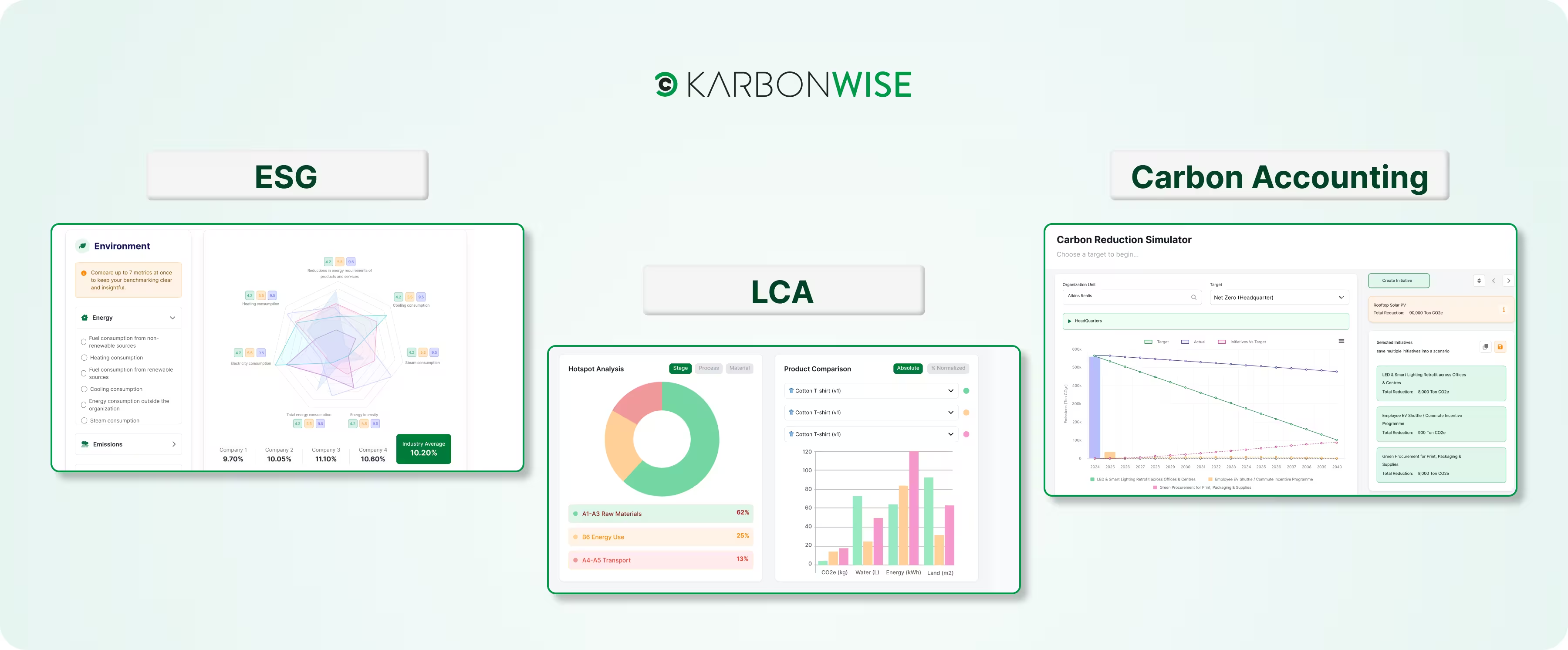
Launched in 2023, KarbunWise has evolved into a climate tech platform that helps organisations measure and manage their environmental impact with clarity. It brings carbon accounting, GHG reporting, ESG tracking, and life cycle assessments into one place, making sustainability work more organised.
A core strength is its use of LCAs for both products and the built environment, supported by a carbon simulator that lets teams test scenarios and model future outcomes. This makes sustainability planning more predictable and rooted in evidence rather than guesswork. Its CCTS engine helps organisations set targets, model scenarios, and meet compliance requirements with clear, evidence-based reporting.
The platform serves sectors where supply chains and compliance demands are complex, such as construction, manufacturing, and pharmaceuticals. With both technology and advisory support, KarbunWise helps organisations turn data into practical action and move consistently towards net zero.
Ecozen
Ecozen is a Pune-based startup using clean energy and digital technology to strengthen Indian agriculture. By combining solar power with IoT and AI, it has helped thousands of farmers lower diesel use and reduce post-harvest losses, while generating large amounts of clean energy in the process.
Its products are built to solve everyday challenges. Solar irrigation systems provide reliable power for pumping water, and portable cold storage units help keep produce fresh for longer. Ecozen also offers solar-powered cooling solutions that bring dependable climate control to areas with limited access to stable energy.
Farmers and agribusinesses are turning to Ecozen because its solutions lead to clear results, higher crop value, reduced operating costs, and better protection against climate-related risks. It shows how clean technology can deliver both economic and environmental benefits where they matter most.
Recykal
Recykal is one of India’s earliest digital platforms built to modernise the waste management system. It brings structure to a sector that has long depended on manual networks by linking waste generators, recyclers, and brands through a single tech-driven ecosystem. Over the years, it has worked with hundreds of brands and thousands of businesses and service providers, helping return more than 1.2 million MT of material back into the circular economy.
Beyond its marketplace, Recykal also helps brands meet their EPR responsibilities in a way that feels much more manageable. Instead of dealing with scattered vendors and paperwork, companies can track what happens to their waste, see where it is recycled, and access clear records for compliance. It removes guesswork and gives organisations confidence that their materials are being handled the right way.
As waste volumes rise and sustainability expectations increase, Recykal’s digital model is becoming a practical choice for companies that want accountability and measurable outcomes. It not only streamlines operations but also helps organisations cut landfill waste, recover valuable materials, and demonstrate real progress towards circularity.
Exponent Energy
Exponent Energy is a Bengaluru-based clean mobility startup tackling one of the biggest hurdles in electric transport: charging time. Instead of focusing only on individual components, the company has built an integrated charging ecosystem that combines advanced battery systems, fast-charging stations, and intelligent software to deliver reliable performance for commercial fleets and urban vehicles.
What sets Exponent apart is its emphasis on rapid charging that can cut downtime dramatically, making electric vehicles a more practical choice for logistics, delivery and public transport. By designing a full stack solution that works seamlessly together, the company ensures safety, consistency and scalability in real-world conditions.
As India continues to accelerate its shift towards electrified transport, Exponent Energy’s technology is helping remove barriers to adoption. Its growing partnerships in fleet electrification and energy infrastructure position it as a key contributor to the nation’s clean mobility future.
Hygenco
Hygenco is one of the young Indian companies pushing green hydrogen from concept to practical use. It focuses on producing hydrogen using renewable power, giving industries a cleaner alternative to fossil fuels without forcing them to change how they operate. The company builds and manages fully integrated green hydrogen systems onsite, so clients get a steady and predictable supply instead of dealing with fluctuating fuel costs or fragmented setups.
Where Hygenco stands out is in how these systems are deployed. Rather than handing over equipment and stepping away, it stays involved through long-term supply partnerships. This gives businesses a solution that is reliable, easier to adopt, and much more cost stable than traditional hydrogen sources.
Some of its early pilots in sectors such as steel, chemicals, and manufacturing show why companies choose them. The technology fits smoothly into existing industrial processes, cuts emissions meaningfully, and does it without compromising efficiency. It offers a path to cleaner operations that feels immediately usable, not experimental, which is why Hygenco is gaining attention as a practical enabler of India’s green hydrogen future.
Stellapps
Stellapps is one of the few Indian companies bringing deep technology directly into dairy supply chains, a sector that has traditionally struggled with traceability and efficiency. The company works across the entire value chain, helping farmers monitor milk production, improve animal health, and reduce losses through digital tools that are simple enough for everyday use but powerful enough to reshape farm operations.
What makes Stellapps stand out is how its technology translates into real improvements on the ground. By capturing data at every stage, from cattle nutrition to milk procurement, farmers are able to manage herds more effectively and maintain consistent quality. For cooperatives and dairies, this clearer visibility helps reduce waste, streamline payments, and ensure that products move through the supply chain with fewer disruptions.
The impact of this approach is already visible in the communities Stellapps serves. Farmers see higher earnings because less milk goes to waste, while buyers get better-quality output with reliable tracking built in. It offers a practical bridge between traditional dairy practices and a more resilient, tech-enabled system, which is why it continues to gain traction across India’s rural network.
Grene Robotics
Grene Robotics is one of the Indian companies bringing digital intelligence into essential energy systems. Its autonomous platforms use connected devices and real-time data to help utilities monitor their networks and respond to issues before they escalate. This makes power systems steadier and easier to manage, especially as more renewable sources come online.
The company’s strength lies in creating systems that act on their own without constant supervision. They can spot faults early, balance loads, and keep operations running smoothly. For organisations that depend on reliable energy, this offers a practical way to modernise without overhauling everything at once.
Grene Robotics appeals to businesses because its solutions reduce disruptions and improve day-to-day performance. The technology helps build energy networks that are more resilient, more efficient, and ready for a cleaner, smarter future.
Conclusion
India’s green tech sector enters 2026 with stronger momentum and a clearer sense of direction. What started as climate-driven innovation is now becoming part of everyday use, with companies moving from small pilots to real deployment across industries.
Gen Z is shaping much of this shift. Their preference for clean mobility, transparent supply chains, and climate-positive choices is pushing companies to build technology that is practical, easy to adopt, and future-ready. Climate-focused funding has also grown in the past few years, helping more firms turn ideas into working solutions.
Together, these trends show how green technology is becoming central to India’s growth story. The companies highlighted here represent where the next wave of progress is heading and how innovation is turning into measurable impact.
At KarbunWise, we are proud to support this movement by helping organisations measure, manage, and reduce their carbon footprint as they move towards net zero in 2026 and beyond.
{{cta}}
{{accordion}}

Continue Reading
.avif)
Sixes, Stadiums & Sustainability: Measuring What Matters in the IPL
A sharp look at how the IPL can evolve into a sustainable, high-performance system by rethinking energy, water, mobility, and waste through better measurement and smarter operations.
.avif)
AI and Sustainability: What It Actually Does Across Carbon Accounting, ESG and LCA
AI is reshaping sustainability workflows across carbon accounting, ESG, and LCA, but not in the way it’s often portrayed. This blog breaks down what AI actually does, where it adds real value, and why human judgement remains critical for reliable, audit-ready outcomes.
.avif)


.avif)








.svg)
.svg)